Alumnus – February
Dr. Paramjit “Romi” Chopra
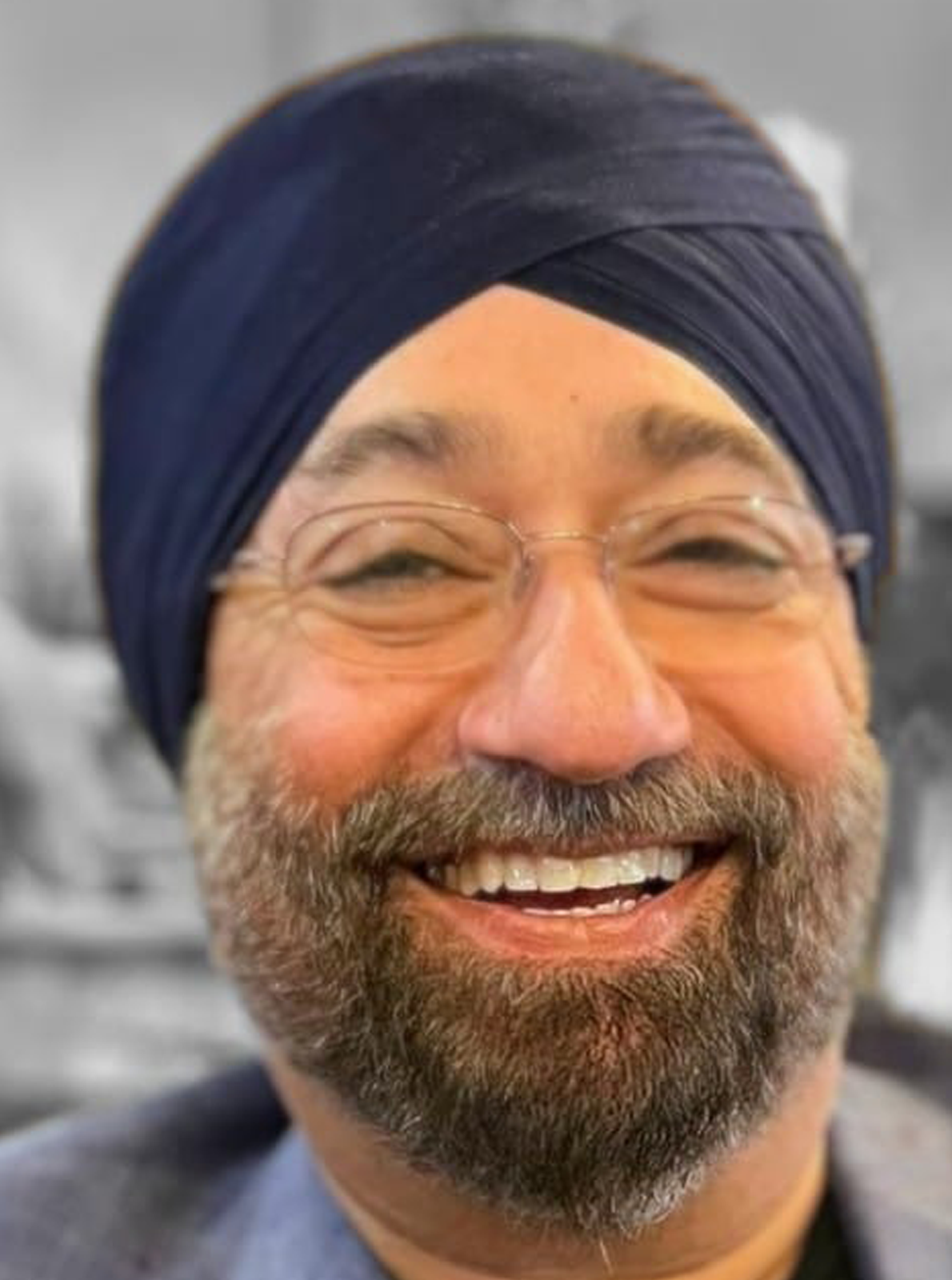
Dr. Paramjit “Romi” Chopra
UG 1979
Physician
Upon arriving in America, Dr. Chopra joined Brigham and Women’s Hospital at Harvard Medical School as a research fellow at the Howard Marcus Laboratory. The fellowship was unpaid. During that period, he supported himself through modest and often humbling means—including performing odd jobs such as cleaning a professor’s home—while immersing himself fully in research and learning.
He worked in animal laboratories, participated in cardiovascular and interventional research, and became deeply involved in process engineering, continuous quality improvement, and Total Quality Management initiatives in healthcare. His work ethic and systems mindset quickly became evident. Projects assigned for extended timelines were completed in one-third of the expected duration. His research was presented at the Radiological Society of North America (RSNA) and published in respected journals, earning him early recognition.
This momentum led to a clinical fellowship in Cardiovascular and Interventional Radiology, followed by the opportunity to repeat residency training to qualify for the American Board of Radiology. During this period, he also served as Associate Director of Quality Management, publishing multiple papers on process improvement in radiology and healthcare systems—work that positioned him as part of a new generation of physician-leaders who understood clinical excellence, business systems, and operational management as interconnected disciplines.
In 1994, Dr. Chopra was appointed Chief of Interventional Radiology at SUNY Upstate Medical Center and became a tenured Associate Professor of Radiology. There, he rebuilt the interventional radiology division using the most advanced technologies of the time and grew the department significantly across clinical services, research, education, and business management. His approach integrated high-level clinical care with operational discipline and strategic systems thinking.
Five years later, he was recruited to Rush University Medical Center as Chief of Interventional Radiology and tenured Associate Professor, again with the mandate to rebuild and modernize the division. Shortly thereafter, he was appointed Chairman of the entire Department of Radiology. His charge: to rebuild and reposition the department comprehensively.
After experiencing the structural constraints of academic medicine, Dr. Chopra made another defining decision. Inspired by the belief that real-world systems impact often requires entrepreneurial freedom, he stepped out of traditional academic confines—while continuing scholarly engagement—and entered the broader healthcare landscape to build scalable, patient-centered systems.
He founded MIMIT Health, which evolved into a multispecialty medical group providing endovascular surgery, interventional radiology, general surgery, and other advanced services. As the organization grew, he recognized the central importance of technology architecture and operational platforms. This insight led to the creation of CIMSS Innovative Solutions (Comprehensive Integrated Management Systems and Solutions), a healthcare management and technology services organization that designs and implements digital platforms, business systems, and integrated care models.
All of Dr. Chopra’s ventures are guided by a core belief: business must serve humanity. With that principle, he founded Sangat Seva, a charitable organization focused on healthcare access, education, research, and human well-being. He has supported and sponsored multiple students through alumni foundations, including those facing financial hardship—viewing this not as charity, but as an investment in humanity.
Over the course of his career, Dr. Chopra has published extensively, taught and mentored generations of physicians, and lectured internationally. He has traveled widely across the globe, sharing insights on interventional radiology, healthcare systems, quality management, and innovation. His contributions to medicine and service have been recognized nationally, including the awarding of two United States Congressional Medals.
Today, Dr. Chopra leads a federation of organizations that span clinical care, technology architecture, consulting, and healthcare transformation. He remains actively engaged in clinical medicine—performing procedures and surgeries—while simultaneously architecting next-generation healthcare platforms, guiding development teams, and mentoring future leaders.
He lives and works at the intersection of three identities: physician, entrepreneur, and technologist. At the same time, he remains deeply spiritual. His philosophy integrates holistic and traditional wisdom with advanced digital systems—what he describes as a journey from “meditation to AI.” For him, technology and spirituality are complementary tools in the service of human flourishing.
His mission remains constant: to help people live longer, better lives by building systems that are patient-centered, connected, efficient, and compassionate—doing better, faster, and more intelligently—while educating and uplifting the next generation, from high school students to seasoned physicians.
From the halls of GS Medical College to Harvard, from academic leadership to global healthcare innovation, Dr. Paramjit “Romi” Chopra’s journey reflects resilience, vision, reinvention, and an unwavering commitment to service.
Alumnus – January
Dr. Manoj Singrakhia

Dr Manoj Singrakhia
UG 1992
Orthopedic Spine Surgeon | Artist
Mumbai & Nagpur, India
Dr. Manoj Singrakhia embodies a rare synthesis of healing and artistry. A distinguished alumnus of Seth Gordhandas Sunderdas Medical College & KEM Hospital, he has built a career anchored in clinical excellence while pursuing a parallel creative calling that gives visual form to the human experiences he witnesses daily in medicine.
A Career Built on Precision and Compassion
After graduating from GOSUMEC, Dr. Singrakhia pursued advanced training in spine surgery across India, the United States, and Canada. He now serves as Founder and Director of Shanta Spine Hospital in Nagpur, bringing specialized care to patients with complex spinal conditions. His academic contributions include publications and book chapters that advance the field of spinal surgery, and he has held faculty appointments at medical colleges throughout Maharashtra.
The Artist-Surgeon: Where Two Worlds Meet
Dr. Singrakhia’s artistic practice emerged from the same space as his medical work—the operating room, where he encounters human vulnerability in its rawest form. In 2022, he formalized this creative pursuit by completing a Graduate Diploma in Fine Arts at the Royal College of Art, London, bridging the technical precision of surgery with the expressive freedom of visual art.
His work occupies a territory between Impressionism and Expressionism, rendered in oil, ink, watercolor, and charcoal. What sets his figurative paintings apart is a deliberate choice: he omits facial features. This absence transforms individual subjects into universal vessels, allowing viewers to project their own stories and emotions onto faceless forms. The technique shifts focus from personal identity to shared human experience—suffering, resilience, joy, transformation.
Symbolizing a Century of Healing

Dr. Singrakhia’s artwork graces the cover of the Centenary Volume commemorating 100 years of Seth Gordhandas Sunderdas Medical College & KEM Hospital (1925–2025). The image functions as visual storytelling, translating institutional memory into symbolic language.
Winged sandals and an elixir bag evoke the hospital’s journey through time—movement, healing, the constant work of medicine. Green tones suggest calm and recovery, the quiet aftermath of crisis. Bold reds and umbers in the foreground represent the diseases and struggles that have entered KEM’s doors across generations. The figure moves forward, embodying the hospital’s continued commitment to healing, its work extending into an open future.
This is not decoration but narrative—a century of care condensed into color, form, and motion.
Exhibitions: Building a Body of Work

Dr. Singrakhia has exhibited extensively in India and abroad, establishing himself within contemporary art circles while maintaining his surgical practice.
Solo Exhibitions
- Unseen — Nehru Centre, Mumbai (2025)
- Flow — Jehangir Art Gallery, Mumbai (2025)
- Unseen / Flow — Dubai International Art Centre (2026)
Group Exhibitions
- London, Nagpur, Mumbai, Dubai (2022–2025)
His signature series—Unseen, Flow, Raga, and Divine—explore themes of identity, spirituality, movement, and sociopolitical reality, while conceptual installations push into more experimental territory.
The GOSUMEC Legacy: Where Science Meets Soul
Dr. Singrakhia’s dual practice reflects something essential about the GOSUMEC tradition: the conviction that medicine is both science and art, that healing requires not only technical skill but imagination, empathy, and the ability to see patients as whole human beings rather than collections of symptoms.
Whether restoring mobility to injured spines or creating paintings that give form to invisible emotional landscapes, his work serves the same fundamental purpose—to understand suffering, restore dignity, and affirm the value of human life.